Bubbly Letter Embroidery Font Review: A Playful Pick for Handmade Projects
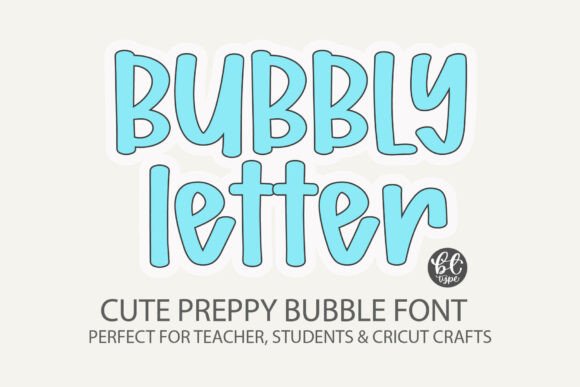
As a designer who’s stitched countless logos, quotes, and custom text onto real-world products, I’m always on the lookout for fonts that not only look great digitally but also translate well to thread. When I first saw Bubbly Letter, it caught my eye with its cheerful, bold handwritten style. This is a display font at heart—designed for impact rather than readability in small sizes—but it brings a certain charm and personality that can elevate the right embroidery project.
First Impressions: Joy in Every Curve
The moment I opened the digital preview of Bubbly Letter, I felt the mood shift into something more lighthearted. The rounded, bouncy shapes are reminiscent of childhood doodles, yet they carry a preppy sophistication that makes them feel intentionally crafted. It’s a perfect balance between whimsy and polish. The layout feels playful without being chaotic, and each letter has just enough variation to give it a hand-drawn authenticity while maintaining a cohesive theme.
I immediately imagined this font on a soft white sweatshirt or a pastel-colored tote bag. Its visual personality screams “fun” and would work especially well for personalized gifts like baby clothes or holiday-themed items. For someone running an Etsy shop or crafting boutique merchandise, this could be a go-to option when looking to add a touch of warmth and creativity.
Real-Life Use Case: Custom Tote Bag for a Local Boutique
To test Bubbly Letter in a real-world scenario, I tried using it for a custom embroidered tote bag design. The goal was to create a product that felt both trendy and trustworthy—something that a local boutique might want to sell as part of their branded merchandise. I chose a simple phrase: “Cozy Vibes Only,” and laid it out in a centered arrangement across the front of the bag.
The result? Visually appealing and instantly recognizable. The boldness of the font helped it stand out even from a distance, which is important for retail displays or online photos. The stitch clarity was decent, but there were some nuances to consider. For example, the loops and curves in Bubbly Letter require careful attention to stitch density and thread color contrast to maintain legibility after sewing.
Where Bubbly Letter Shines in Embroidery Projects
- Custom Apparel: Sweatshirts and t-shirts are ideal for Bubbly Letter, especially if you're aiming for a casual, youthful vibe. The bold character helps it pop against lighter fabrics.
- Tote Bag Design: Whether you're creating a reusable grocery bag or a fashion-forward accessory, this font adds a personal and artistic flair.
- Baby Clothes & Nursery Decor: The soft, friendly appearance of Bubbly Letter makes it a natural fit for baby items, including onesies, bibs, or pillow covers. It conveys care and playfulness, which are key in this category.
- Holiday & Wedding Gifts: Think about festive pillows, embroidered towels, or monogrammed aprons. The font brings a celebratory tone that aligns well with special occasions.
- Handmade Product Branding: If you’re an Etsy seller or craft business owner looking to brand your own line of goods, Bubbly Letter can help create a signature look that feels approachable and creative.
What stands out is how versatile this font feels. It’s not limited to one niche; it adapts well to multiple contexts where a bit of personality is needed. However, its bold nature means it’s best suited for larger formats and less formal applications.
Use with Caution: Limitations and Considerations
While Bubbly Letter is a strong contender for many projects, it does have its limitations. Here are a few scenarios where I’d recommend using it carefully:
- Small Hoop Sizes: Because of its generous spacing and rounded forms, the font may struggle to fit neatly in smaller hoops. You’ll need to scale it down carefully, and even then, some details might get lost.
- Textured or Stretchy Fabrics: On materials like denim, corduroy, or knits, the delicate curves and fine lines of the font can distort or lose definition. Test it on similar fabric before committing to production.
- Dark Fabric Backgrounds: The visual appeal of Bubbly Letter relies heavily on contrast. While it works beautifully on light tones, it can become muddled on darker fabrics unless you use high-contrast thread colors.
- Curved Surfaces: Caps, hats, or curved patches may cause the font to appear stretched or uneven. Always simulate placement on a mockup before finalizing the design.
- Dense Stitch Areas: If you plan to combine Bubbly Letter with intricate fill stitches or applique elements, make sure it doesn’t compete for visual space. Sometimes less is more, especially when it comes to text-based designs.
Design Notes for Embroidery Artists
Before adding Bubbly Letter to any commercial or handmade embroidery project, here are a few tips to ensure optimal results:
- Test on Scrap Fabric: Always do a trial run on fabric similar to what you’ll be using. This helps catch issues with stitch distortion or detail loss early.
- Check Thread Color Contrast: Especially on dark backgrounds, choose thread colors that will clearly define the font. White or cream threads often work best for visibility.
- Review Stitch Density: The curves in Bubbly Letter can require tighter satin stitches for smooth edges. Adjust settings based on fabric weight and type.
- Confirm Hoop Size: Ensure the hoop you plan to use can accommodate the full size of the design. Don’t let tight hooping compromise the shape of the letters.
- Inspect Small Details: Look closely at the corners and inner curves. If they’re too delicate, consider simplifying the design or using a different font for tiny lettering.
- Black-and-White Mockups: These are essential for seeing how the design will look without color bias. It’s surprising how much contrast can change the perception of a font in embroidery.
- Use Proper Stabilizer: Especially on thin or stretchy materials, stabilizer is crucial to prevent puckering and misalignment of the letters.
- Verify Licensing: If you plan to sell finished products or digital embroidery files, double-check the licensing terms. Not all fonts are free for commercial use.
Impact on Visual Appeal and Buyer Engagement
One of the most noticeable effects of using Bubbly Letter is the emotional response it elicits. Customers tend to smile when they see the font because it feels inviting and fun. This kind of reaction can boost buyer engagement and increase perceived value—especially in markets like personalized gifts or handmade apparel.
In terms of product value, Bubbly Letter adds a unique, handcrafted touch that can justify a higher price point for your finished goods. As a craft business owner, you know how important it is to differentiate your products, and this font offers a fresh way to do that.
However, don’t forget to maintain brand consistency. While Bubbly Letter is great for playful branding, it might not align with a more minimalist or professional aesthetic. Evaluate whether the font matches your overall brand voice before making it a staple in your design assets.
Customer Trust and Professionalism
Although Bubbly Letter is not a traditional serif or sans-serif font, it still carries a level of professionalism when used appropriately. The consistent spacing and bold structure mean it won’t look sloppy or unpolished—as long as you take the time to refine the stitch paths and adjust for fabric behavior.
For customer trust, clarity is key. Make sure the message you’re stitching with this font is easy to read and fits the purpose. Avoid overusing decorative accents or placing it in areas with high wear (like underarms on a sweatshirt) where it might snag or fade quickly.
Final Thoughts: Is Bubbly Letter Right for Your Next Project?
Bubbly Letter is a standout in the world of machine embroidery designs, particularly for those seeking to infuse joy and personality into their work. From sweatshirt embroidery to holiday gift tags, it brings a sense of cheer that can make your handmade product stand out in a crowded market.
But remember, every good font needs the right context. Before diving into large batches of embroidered patches or digital embroidery files, take the time to test and adjust. Pay attention to how it behaves on different fabrics, and don’t hesitate to tweak the design for better performance.
If you’re ready to try it, start with a small batch—maybe a couple of tote bags or personalized baby items. Let me know how it turns out. I’m curious to see how others incorporate this bubbly charm into their commercial embroidery and handmade shop offerings.